

Shockwave Therapy Review Guide for Pain Relief
- Ron Carter

- Jul 13
- 5 min read
A persistent heel pain that makes the first steps of the morning miserable, an elbow that hurts every time you lift a coffee mug, or a tendon injury that has stopped improving can leave people searching for another answer. This shockwave therapy review guide explains what the treatment is designed to do, where it may fit in a recovery plan, and what a realistic experience looks like.
What Is Shockwave Therapy?
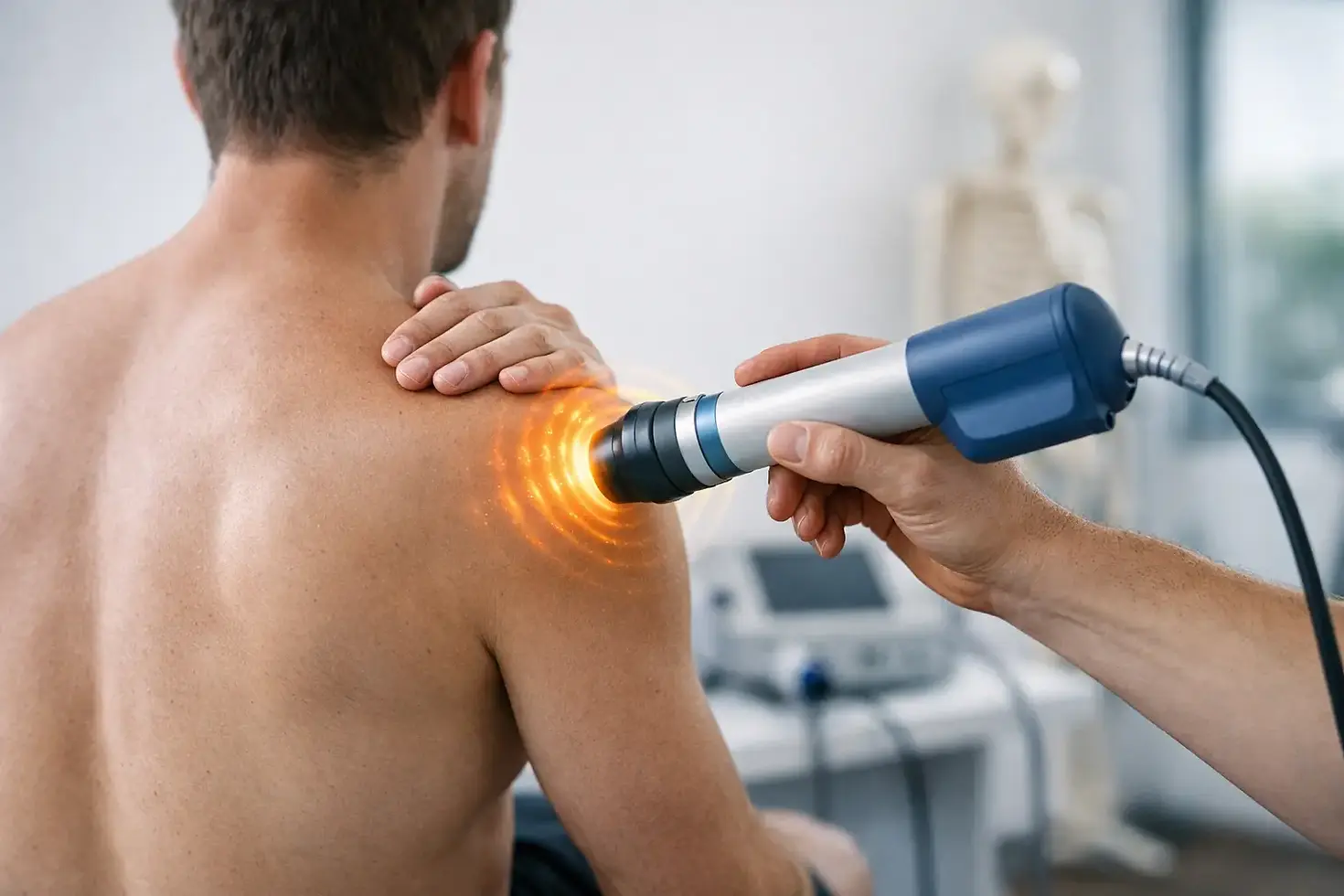
Shockwave therapy, also called extracorporeal shockwave therapy, uses targeted acoustic pressure waves delivered through a handheld device. Despite the name, it does not involve electrical shocks. A clinician applies gel to the treatment area and moves the device over the painful tissue, directing energy into the affected muscle, tendon, ligament, or joint region.
The purpose is not simply to mask pain for a few hours. The controlled mechanical stimulation is intended to support the body's healing response in irritated or slow-healing soft tissue. It may encourage local circulation, influence pain signaling, and promote the repair processes involved in tissue remodeling.
For many patients, shockwave therapy is considered when a problem has become stubborn. A person may have already tried rest, activity modification, stretching, home care, or other conservative treatment and still be limited by pain. It can be a useful addition to a broader plan, but it works best when it is matched to the actual injury rather than used as a generic pain treatment.
Shockwave Therapy Review Guide: Conditions It May Help
Research and clinical use most often support shockwave therapy for certain chronic tendon and soft-tissue conditions. Common examples include plantar fasciitis, Achilles tendinopathy, tennis elbow, golfer's elbow, shoulder tendinopathy, hip pain related to the gluteal tendons, and some chronic muscle pain patterns.
That does not mean every painful area should receive shockwave therapy. Back pain, for example, may involve the spine, discs, joints, muscles, nerves, posture, or a combination of factors. Treating one sore spot without assessing the larger movement problem can miss the reason symptoms keep returning.
At Chiropractic and Muscle Therapy of Delaware, care begins with an evaluation of how the muscles, joints, tendons, ligaments, and spine are working together. This matters because a painful tendon may be overloaded by poor movement at a nearby joint, muscle weakness, restricted mobility, or an old injury that changed the way you walk or work.
Chronic Pain Is Not the Only Factor
Treatment timing matters. During the acute inflammatory phase after a new injury, the priority may be protecting the tissue, managing swelling, and identifying whether more urgent medical care is needed. As healing enters the repair and remodeling phases, the treatment plan can shift toward restoring mobility, building tolerance, and improving function.
Shockwave therapy is often more appropriate for ongoing conditions that have not progressed as expected. However, the decision depends on the diagnosis, severity of symptoms, tissue involved, medical history, and the patient's goals. A careful exam is more valuable than choosing treatment based on an online diagnosis.
What Does Treatment Feel Like?
Most sessions are brief, often lasting about 10 to 20 minutes depending on the area being treated. Patients usually feel a tapping, pulsing, or firm pressure sensation. Tender tissue can make the treatment uncomfortable, particularly during the first session, but the intensity can be adjusted to a tolerable level.
Mild soreness afterward is common. Some people describe it as similar to the feeling after a deep tissue treatment or a challenging workout. Temporary redness, sensitivity, or minor bruising can also occur. These effects usually resolve quickly, but patients should tell their provider about any unexpected or worsening symptoms.
A common misconception is that a treatment should provide immediate, complete relief to be successful. Some patients notice improvement soon after a session, while others experience a gradual change over several weeks as tissue healing and movement tolerance improve. The goal is meaningful progress in pain, daily activity, and function, not a promise of overnight results.
The Benefits and Trade-Offs to Consider
The potential appeal of shockwave therapy is clear: it is noninvasive, requires no surgery, and does not involve a long recovery period. Many patients can return to normal daily activity after treatment, with specific guidance based on their condition. For someone trying to stay active at work, care for family, or return to exercise, that can be a significant advantage.
There are trade-offs. Shockwave therapy is not a replacement for proper diagnosis, strengthening, mobility work, or changes to the activities that continue to irritate the tissue. If a runner's Achilles tendon is overloaded by a sudden jump in mileage, treatment without a gradual return-to-running plan may provide only partial or temporary improvement.
Results also vary. A chronic tendon problem that has been present for months may need several sessions and consistent follow-through with prescribed exercises. People with more complex injuries, significant degeneration, altered gait, or multiple pain sources may need a combination of hands-on care, chiropractic treatment, therapeutic exercise, and shockwave therapy.
Who Should Avoid or Delay Shockwave Therapy?
Shockwave therapy is generally well tolerated when it is used appropriately, but it is not right for everyone. A clinician should review your health history before treatment. It may need to be avoided or postponed in areas with an active infection, known cancerous lesion, blood clotting concern, fracture, or significant nerve or circulation issue.
Pregnancy, certain medications that affect bleeding, implanted devices, and recent injections or procedures may also affect treatment decisions. These are not details to leave out because they can change what is safest for you.
A trustworthy provider will not treat every complaint with the same tool. They will ask where the pain started, what makes it worse, how it affects work and sleep, what you have already tried, and whether there are signs that require referral or additional testing.
Questions to Ask Before Starting Care
Before scheduling shockwave therapy, ask what diagnosis is being treated and why this modality is recommended for your particular symptoms. You should also understand how many visits may be appropriate, what you are expected to do between visits, and how progress will be measured.
It is reasonable to ask about discomfort during treatment, likely short-term reactions, and whether you should adjust exercise, work duties, or athletic activity. Patients with insurance, auto injury claims, or workers' compensation cases should also ask how coverage and documentation may apply, since benefits vary by plan and situation.
The best treatment conversation is specific. Instead of hearing that shockwave therapy is good for pain, you should understand whether it is intended to help you take longer walks, use your arm at work without flare-ups, return to the gym, or move through the day with less limitation.
Getting Better Results From Shockwave Therapy
Shockwave therapy tends to be most useful when it is part of an active recovery plan. Follow activity recommendations carefully, especially when a painful area feels better before the tissue is ready for full load. Reducing pain is encouraging, but healing tissues still need progressive, appropriate strengthening.
Pay attention to the movement patterns that may have contributed to the problem. A clinician may recommend mobility work, targeted exercises, posture changes, manual therapy, or chiropractic care to address restrictions and compensation patterns. For a worker who lifts, a parent who repeatedly carries a child, or an active adult returning to sports, those details often determine whether improvement lasts.
Give the plan enough time to be evaluated fairly. Track practical changes such as morning stiffness, walking distance, grip strength, ability to climb stairs, sleep quality, and tolerance for work tasks. These measures can be more meaningful than judging progress from one good or bad day.
Pain that persists is frustrating, but it does not always mean invasive treatment is the next step. A thorough evaluation and a plan that respects each phase of healing can help clarify whether shockwave therapy is a sensible option and what your body needs to move forward with confidence.


Comments