

Massage Gun vs Massage Therapy for Pain Relief
- Ron Carter

- 1 day ago
- 6 min read
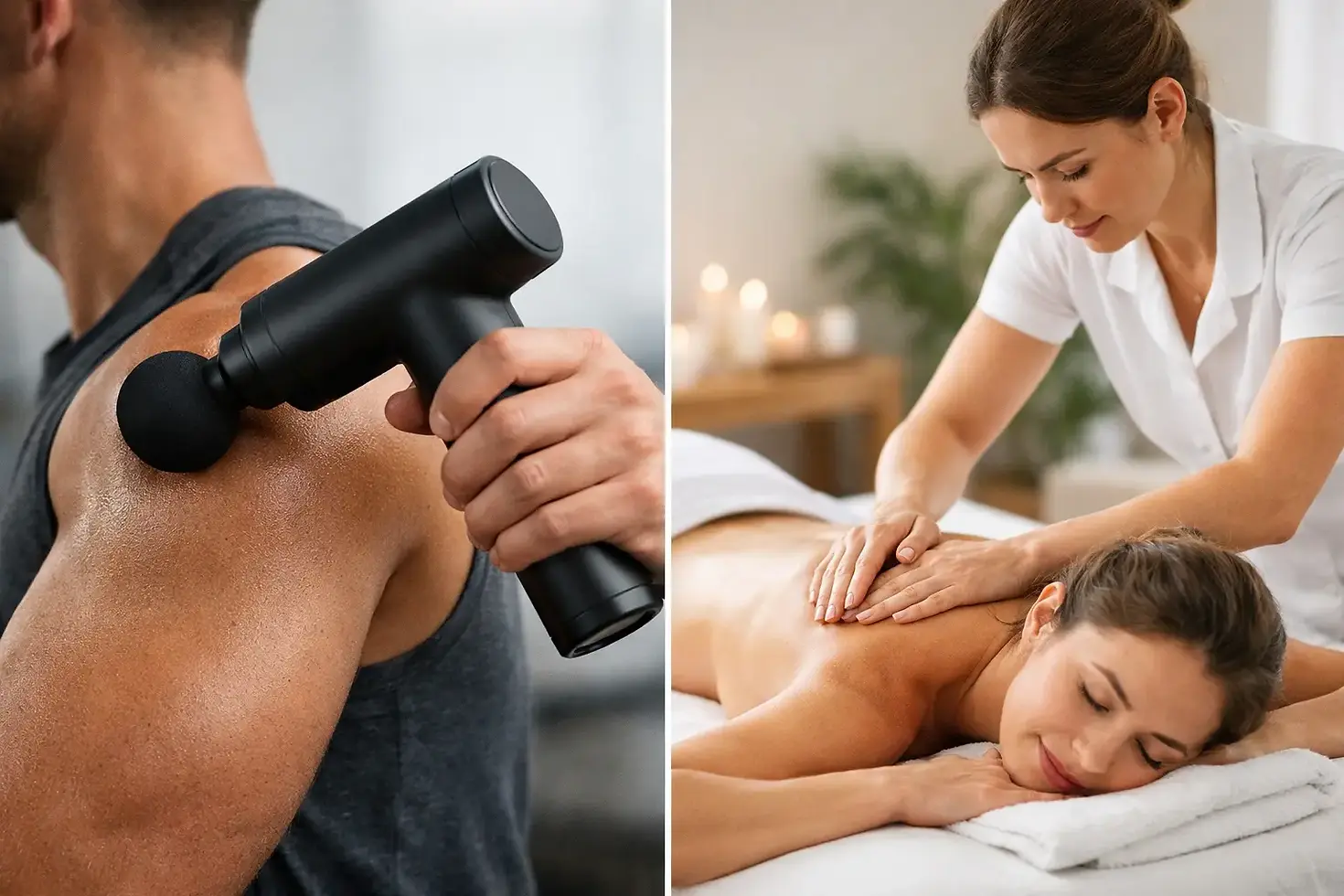
A massage gun can feel like an easy answer when your neck is tight after a long workday or your legs are sore after exercise. But with massage gun vs massage therapy, the better option depends on what is causing your discomfort, how long it has been present, and where you are in the healing process. The wrong amount of pressure at the wrong time can aggravate an injured muscle, tendon, joint, or nerve.
For mild, familiar muscle soreness, a massage gun may be a useful tool between appointments. For persistent pain, a new injury, reduced range of motion, numbness, weakness, or pain after an accident, professional assessment and hands-on care are usually the safer starting point.
Massage Gun vs Massage Therapy: The Core Difference
A massage gun delivers rapid, repetitive pressure to the surface of a muscle. This type of percussive therapy may temporarily reduce the feeling of tightness, warm up a muscle before activity, or help some people feel less sore after exercise. It is convenient, portable, and available whenever you need it.
Massage therapy is not simply pressure applied to a painful area. A trained provider evaluates the tissues involved, how they respond to touch and movement, and whether the pain may be connected to another part of the body. For example, shoulder discomfort may be influenced by the neck, upper back, posture, rib movement, or a previous injury. Low back pain may involve the hips, gluteal muscles, abdominal control, or irritated joints.
That distinction matters because pain is not always a signal that a muscle needs more force. Sometimes the body is guarding an injury. Sometimes a tendon is overloaded. Sometimes swelling, inflammation, nerve irritation, or joint restriction is the primary issue. In those cases, repeatedly using a massage gun directly over the painful spot may not address the cause and may make symptoms worse.
When a Massage Gun May Be Helpful
Massage guns can have a place in responsible self-care when symptoms are mild, predictable, and clearly related to muscle use. If you have normal post-workout soreness in your thighs, calves, or upper back, gentle use may help you feel more comfortable and mobile.
The key word is gentle. More intensity does not necessarily produce better results. Start on a low setting, keep the device moving, and limit treatment to short intervals. A massage gun should not create sharp pain, bruising, tingling, numbness, or increased soreness that lasts well beyond the session.
It can also be useful as part of a movement routine. Light percussive therapy before activity may help a stiff muscle feel more prepared for stretching, walking, or exercise. After activity, it may be one tool for temporary relief alongside hydration, rest, appropriate movement, and recovery habits.
A massage gun is generally best viewed as a comfort tool, not a diagnostic tool or a substitute for treatment. It cannot determine whether your pain comes from a muscle strain, disc irritation, tendinopathy, joint dysfunction, or another condition that needs specific care.
Areas to avoid with a massage gun
Avoid using a massage gun directly over the spine, front or side of the neck, throat, joints, bony areas, varicose veins, open skin, bruises, or areas with significant swelling. Do not use it over a recent surgical site or directly on an area of acute injury.
Extra caution is needed if you take blood thinners, have a bleeding disorder, reduced sensation from neuropathy, osteoporosis, a history of blood clots, cancer, or a condition that affects circulation. If you are pregnant or have a significant medical condition, ask your healthcare provider what is appropriate for you.
Why Massage Therapy Offers More Than Relaxation
Professional massage therapy can be relaxing, but its value in musculoskeletal care goes beyond relaxation. It allows the provider to adjust pressure, technique, and treatment area based on your symptoms and tissue response in real time. That adaptability is especially valuable when you are recovering from an injury or dealing with pain that has not improved on its own.
A therapist may use focused soft-tissue work to reduce muscle guarding, improve tolerance for movement, and address restricted areas that affect nearby joints. Just as importantly, treatment can be modified if a technique causes pain or if your symptoms suggest that another area needs attention.
Hands-on care also provides clinical feedback. A provider can identify differences in muscle tone, tenderness, swelling, movement quality, and range of motion that a device cannot recognize. Those findings help guide the next step, whether that means massage, chiropractic treatment, mobility work, activity modification, or referral for additional evaluation.
For people with recurring pain, the goal is not merely to feel better for an hour. Effective care should help identify why the problem keeps returning and create a practical plan for restoring function.
The Stage of Healing Changes the Right Choice
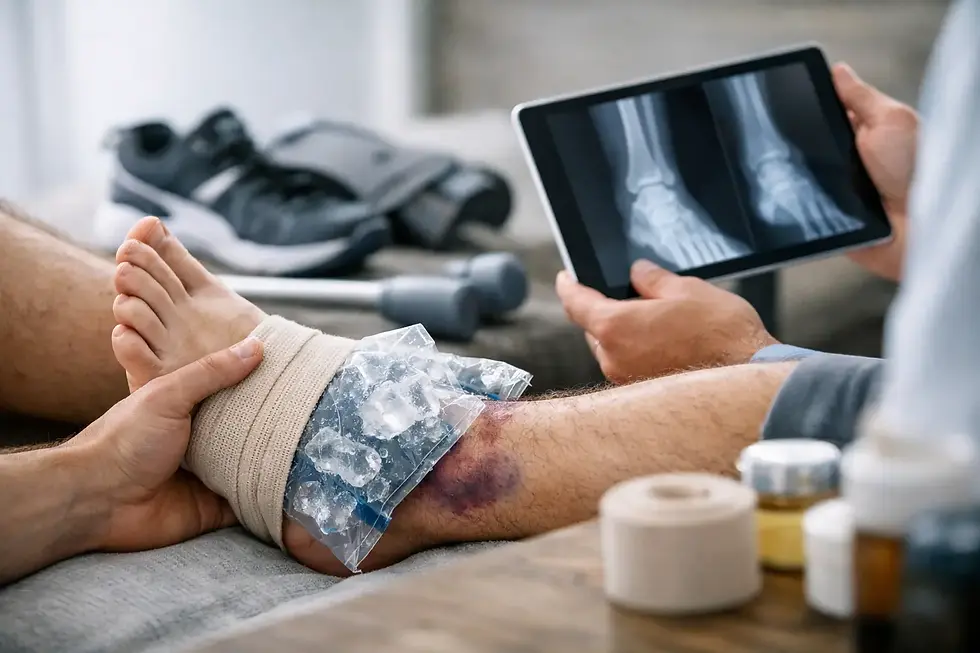
After an injury, treatment should match the body’s stage of healing. The early inflammatory phase often includes pain, swelling, warmth, tenderness, and reduced movement. During this period, aggressive pressure may be inappropriate. A massage gun used forcefully over a fresh strain, sprain, or contusion can further irritate already sensitive tissue.
During the repair phase, the body lays down collagen to heal damaged tissue. Guided care may help support comfortable movement and prevent excessive stiffness, but the amount and type of treatment still need to match the injury. Too much load too soon can delay progress.
In the remodeling phase, healing tissue gradually becomes stronger and more organized. This is often when progressive mobility, strengthening, and carefully selected soft-tissue treatment become especially important. A massage gun may be used as an adjunct for some people, but it should fit into a broader recovery plan rather than replace it.
This phased approach is one reason a personalized assessment is valuable. Two people can have similar symptoms but need different care based on how the injury occurred, how long it has been present, and what movements are limited.
When Massage Therapy Is the Better First Step
Choose professional evaluation before relying on a massage gun if pain began after a car accident, workplace injury, fall, sports injury, or sudden lifting incident. These situations can involve more than a simple tight muscle, even if symptoms seem manageable at first.
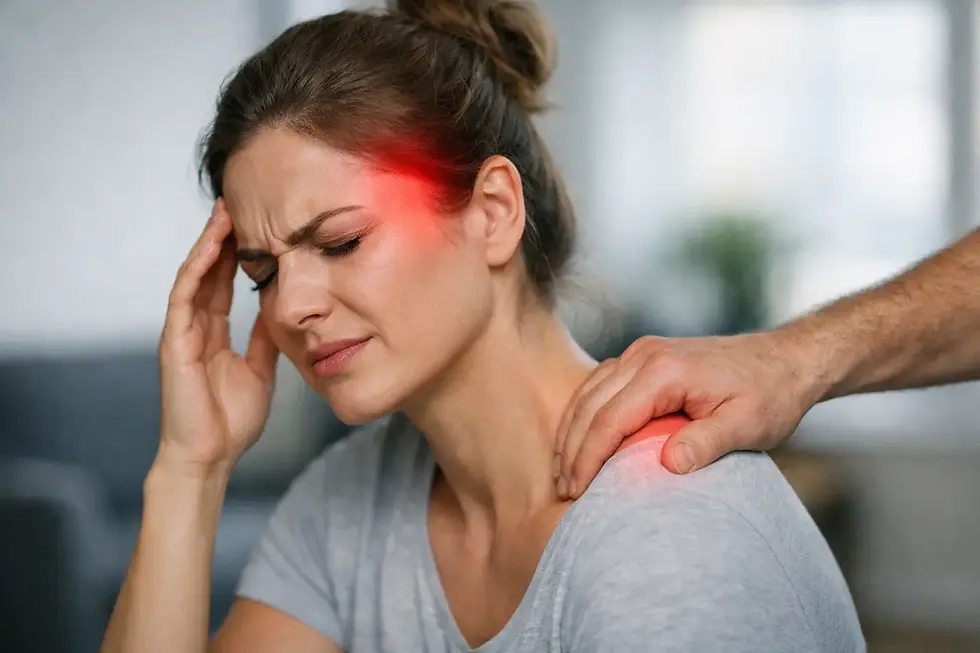
You should also seek care if pain lasts longer than a few days without improvement, wakes you at night, travels into an arm or leg, or comes with numbness, tingling, weakness, headaches, dizziness, or loss of coordination. These symptoms deserve a closer look.
Massage therapy is often the better option when your pain is recurrent or affects daily life. If you cannot turn your head comfortably while driving, sit through work without back pain, sleep on one shoulder, squat without knee discomfort, or return to normal exercise, a device alone is unlikely to provide the complete answer.
At Chiropractic and Muscle Therapy of Delaware, care is designed around the relationship between muscles, joints, tendons, ligaments, and spinal movement. That whole-body perspective helps patients move beyond chasing the location of pain and toward addressing the functional problem behind it.
How to Use Both Without Overdoing It
For many patients, this is not an either-or decision. Massage therapy can address the underlying pattern, while a massage gun can support a home routine when used correctly. The best combination depends on your condition and your goals.
If a provider recommends home use, ask where to apply the device, which attachment and setting to use, how long to treat each area, and what symptoms mean you should stop. A clear plan prevents the common mistake of treating the most painful area aggressively every day.
Pay attention to your response over the next 24 hours. Mild temporary soreness can occur, but pain that becomes sharper, spreads, causes bruising, or reduces your mobility is a sign to stop and contact a healthcare professional. Recovery should trend toward better movement and more confidence, not repeated flare-ups.
The Best Choice Is the One That Matches Your Condition
A massage gun is convenient and can be useful for everyday muscle tightness. Massage therapy provides skilled assessment, individualized treatment, and the ability to adapt care when pain is related to injury, joint dysfunction, or movement limitations. Neither option should be judged only by how intense it feels in the moment.
If your body is giving you a persistent signal, treat that signal with curiosity rather than force. A thoughtful evaluation can clarify what is irritated, what needs to move better, and what will help you return to work, exercise, and daily life with less pain and greater confidence.

Comments