

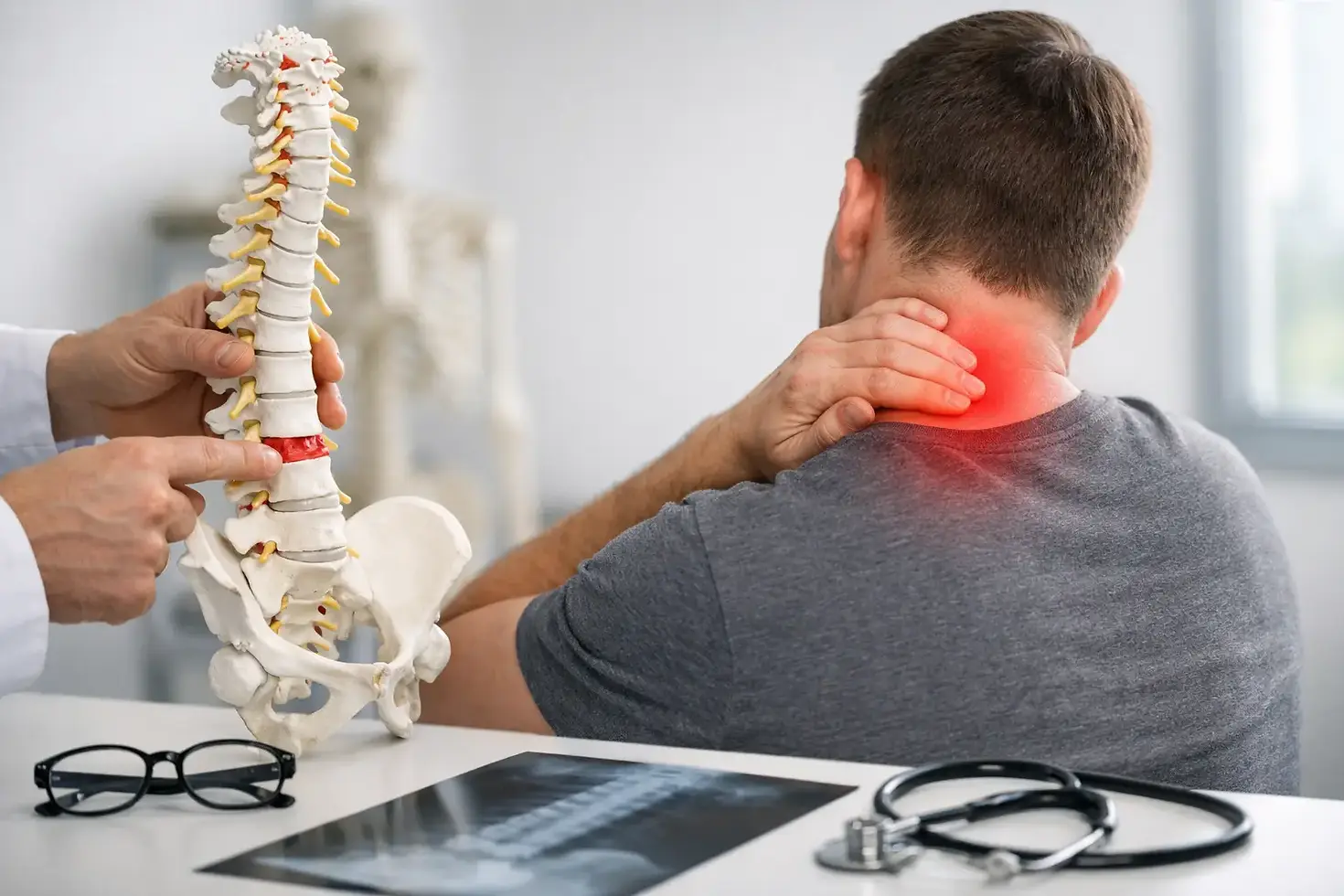
A Practical Guide to Musculoskeletal Pain

A low back ache that appears after a long workday, a shoulder that catches when you reach overhead, or knee pain that makes stairs feel uncertain can disrupt far more than your routine. This guide to musculoskeletal pain explains what may be behind those symptoms, how healing typically progresses, and when a focused evaluation can help you move forward with confidence.
Musculoskeletal pain involves the body systems that support movement: muscles, joints, bones, tendons, ligaments, and the nerves that communicate with them. Because these structures work together, pain is not always felt exactly where the problem began. A stiff hip can affect the low back. An old ankle injury can change the way the knee moves. A painful shoulder may involve the neck, upper back, posture, or muscle control around the shoulder blade.
What Musculoskeletal Pain Can Feel Like
Musculoskeletal pain is often described as aching, stiffness, soreness, sharp pain with a certain movement, weakness, tightness, or a sense that a joint is not moving normally. Some people notice symptoms only during exercise or work. Others feel pain after sitting, first thing in the morning, or later in the day when fatigue changes their movement patterns.
The pattern matters. Pain that follows a new activity, repetitive lifting, a fall, an auto accident, or a work injury may point toward a specific tissue injury. Pain that has developed gradually may be related to repetitive strain, loss of mobility, joint irritation, poor movement mechanics, or a previous injury that never fully recovered.
Pain intensity alone does not reveal the full story. A minor strain can be very painful in its early stages, while a chronic tendon problem may feel manageable until it begins limiting daily activity. A complete assessment looks at where pain occurs, what provokes it, how it affects movement, and what happened before symptoms began.
Common Causes of Muscle and Joint Pain
Many cases of musculoskeletal pain result from an overload of tissue that was not ready for the demand placed on it. This can happen after moving furniture, increasing workout intensity too quickly, returning to activity after time away, or performing the same physical task at work day after day.
Sprains and strains are common examples. A strain affects a muscle or tendon, while a sprain affects a ligament. Both can cause pain, swelling, bruising, weakness, and restricted movement. Tendon irritation, often called tendinopathy, can develop with repeated loading and may be felt around the shoulder, elbow, hip, knee, or heel.
Joint pain can also arise from arthritis, cartilage changes, inflammation, reduced joint mobility, or altered alignment and movement patterns. Neck and back pain may involve muscles, spinal joints, discs, or irritated nerves. The right treatment depends on the cause, which is why a one-size-fits-all approach can miss the real source of the problem.
A Guide to Musculoskeletal Pain and Healing Stages
The body does not heal every injury on the same timetable, but many soft-tissue injuries move through three broad phases. Understanding these phases can make recovery feel less confusing and help set realistic expectations.
Acute Inflammation
The first stage begins shortly after an injury. Inflammation is part of the body’s protective response, not simply something to eliminate. Pain, swelling, warmth, tenderness, and reduced motion may occur as the body begins repairing damaged tissue.
During this period, the goal is to protect the area without becoming completely inactive unless a medical provider has instructed otherwise. Gentle, appropriate movement can often help maintain circulation and prevent unnecessary stiffness. Pushing through sharp pain, heavy loading, or aggressive stretching too soon can prolong symptoms.
Repair and Collagen Healing
As symptoms begin to settle, the body lays down collagen to repair injured tissue. This new tissue is not yet organized to handle full activity. Pain may improve, but the area can still feel weak, tight, or easily irritated.
This is often the stage where carefully guided treatment and progressive movement matter most. Hands-on care, mobility work, and targeted exercises may help restore motion while gradually reintroducing load. The correct amount of activity is specific to the injury, the person’s work demands, and how the body responds from one day to the next.
Remodeling and Return to Function
In the remodeling phase, healing tissue becomes stronger and better organized when it is exposed to appropriate movement and resistance. The focus shifts from simply reducing pain to rebuilding strength, coordination, flexibility, and confidence in normal activities.
This phase is especially relevant for people returning to lifting, sports, physically demanding jobs, or long periods of standing and walking. Feeling better is encouraging, but it does not always mean the body is ready for every previous demand. A gradual return can reduce the risk of re-injury.
Why a Whole-Body Assessment Matters
Painful tissue deserves attention, but it is rarely the only consideration. For example, recurring low back pain may be influenced by hip mobility, abdominal and gluteal muscle control, work posture, or a prior leg injury. Persistent shoulder pain may be affected by the way the neck, upper back, and shoulder blade move together.
A thorough musculoskeletal evaluation considers the injury history, current symptoms, joint motion, muscle function, posture, daily demands, and movement patterns. This helps identify whether a painful area needs protection, mobility, strengthening, hands-on treatment, or a combination of these approaches.
At Chiropractic and Muscle Therapy of Delaware, care is designed around the individual injury and stage of healing. Chiropractic treatment can be one part of a broader plan that also addresses muscles, soft tissue, joint function, and the return to daily activity. For some conditions, Shockwave Therapy may be considered as a noninvasive option for persistent muscle and joint pain. It is not the right choice for every diagnosis, but it may support recovery when used as part of an appropriate treatment plan.
What You Can Do Between Visits
For many non-emergency musculoskeletal problems, the most helpful first step is to avoid the extremes of complete rest and overdoing it. Pay attention to the movements that reliably worsen symptoms, then modify them temporarily rather than forcing through pain.
Short walks, gentle range-of-motion exercises, and changing positions throughout the day can be useful for some people, particularly when prolonged sitting causes stiffness. Heat or cold may provide temporary comfort, depending on the injury and your response. Neither replaces an evaluation when pain is persistent, severe, or limiting your function.
Keep track of useful details before an appointment: when the pain started, whether there was a specific injury, what movements make it better or worse, whether symptoms travel into an arm or leg, and how the issue affects sleep, work, driving, or exercise. This information helps create a more accurate plan.
When Pain Needs Prompt Medical Attention
Most muscle and joint pain is not an emergency, but certain symptoms should not be managed at home. Seek urgent medical attention for severe pain after significant trauma, a visible deformity, inability to bear weight, sudden loss of strength, new loss of bladder or bowel control, numbness in the groin area, chest pain, shortness of breath, fever with a hot swollen joint, or unexplained weight loss.
Numbness, tingling, or radiating pain may occur with nerve irritation and should be assessed, especially if it is worsening or accompanied by weakness. Pain after an auto accident or work injury also deserves timely evaluation, even when symptoms seem mild at first. Some injuries become more noticeable after the initial stress response fades.
Build Recovery Around Function, Not Just Pain Relief
Effective care should help you do more than get through the day with less discomfort. The larger goal is to restore the movements that matter to you: working comfortably, sleeping better, lifting safely, exercising with confidence, playing with family, or getting back to the activities pain has interrupted.
Recovery is rarely perfectly linear. A sore day does not always mean you have caused new damage, and a pain-free day does not always mean every tissue has fully recovered. With a clear diagnosis, appropriate treatment, and gradual progression, many people can move from protecting an injury to trusting their body again. If pain is changing how you live, a professional musculoskeletal evaluation can provide a practical path toward relief and stronger movement.


Comments